



Critical Infrastructures (KRITIS)
Critical infrastructures include facilities and organizations whose failure or disruption would have significant consequences for society. These include energy providers, water and wastewater utilities, hospitals, transport and logistics companies, industrial facilities with system-relevant production, IT and telecommunications services, and security authorities.
Many organizations are not immediately aware of their KRITIS relevance but may fall under regulatory frameworks due to size, supply function, regional importance, or integration into supply chains.
This classification entails increased requirements for organization, documentation, and risk management. In addition to IT security and access control, this explicitly includes the physical protection of all persons within the organization. Operators must ensure that in emergencies—especially during lone working, hazardous tasks, remote locations, shift operations, or when using external service providers—appropriate assistance can be initiated immediately.
Lone Working (also: individual workstations or briefly EAP)
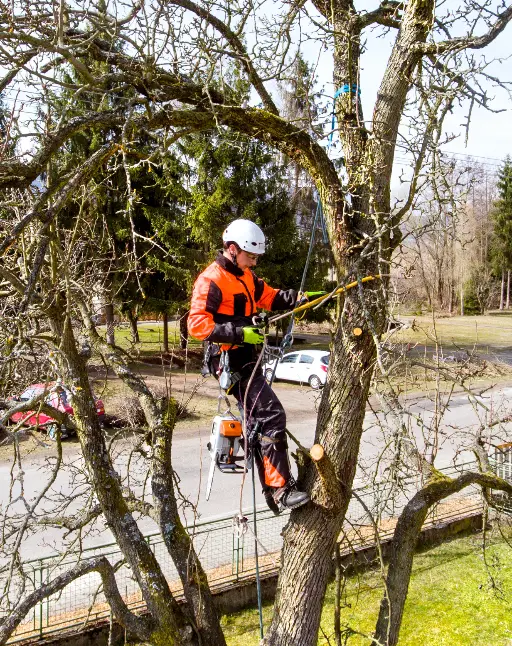
Lone working refers to tasks performed by a person outside the sight or hearing range of others. This applies regardless of duration—even short periods qualify.
Hazardous Work
Hazardous work involves increased or critical risks arising from work processes, tasks, materials used, or the working environment. Risk assessments must be conducted before such work begins.
DIN VDE V 0825-1
Pre-standard regulating monitoring systems—wireless personal emergency signal systems (PNA) for hazardous lone working. Part 1 covers device and testing requirements: https://www.vde-verlag.de/normen/0800606/din-vde-v-0825-1-vde-v-0825-1-2019-09.html
Personal Emergency Signal Systems (PNA)
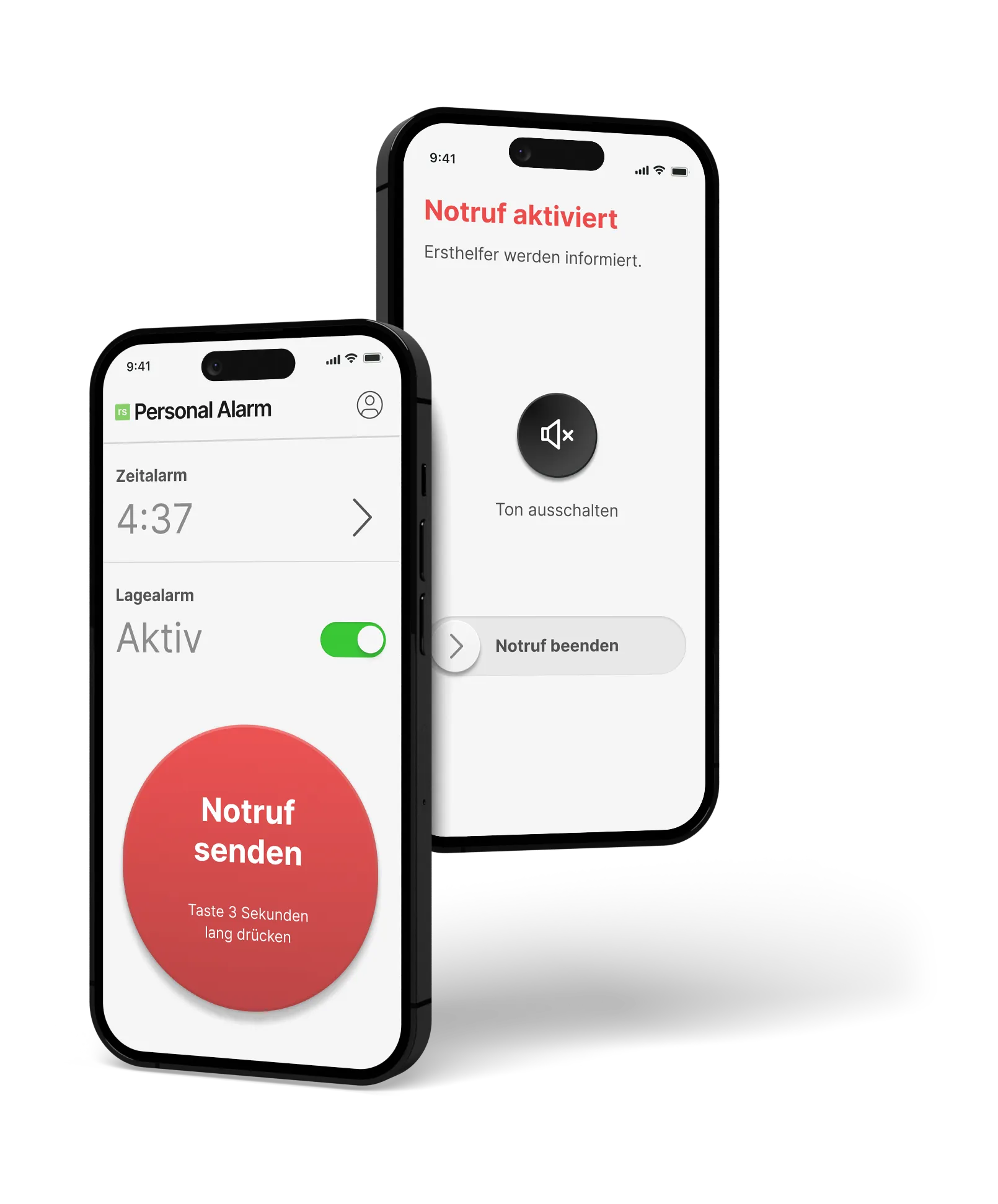
Systems designed to trigger and transmit manual and automatic emergency signals. They consist of one or more personal emergency devices (PNG) and a receiving unit (PNEZ). Systems with voice communication are referred to as PNA-S.
Personal emergency signaling devices (PNG)
Personal emergency signal devices (PNG) are carried by at-risk individuals. They are wireless signal transmitters that can trigger an alarm in the personal emergency signal reception center, both voluntarily and involuntarily, in case of an emergency. If a personal emergency signal device also has the capability for voice communication, it is referred to as PNG-S.
PNA-S
A personal emergency signaling system with the capability of voice communication is referred to as PNA-S.
Will-dependent person alarm
The voluntary personal alarm is an optical and acoustic signal that is triggered in an emergency by a conscious, intentional manual activation of the personal emergency signal device at the personal emergency signal reception center.
Non-volitional Person Alarm
A non-volitional personal alarm is an optical and acoustic signal that is automatically triggered by the personal emergency signal device at the personal emergency signal reception center, thereby indicating an emergency.
Emergency
An emergency is the occurrence of a condition that necessitates the initiation of assistance measures. Examples of emergencies include sudden, harmful events, such as an accident, an acute illness, the sudden exposure to hazardous substances, or an assault.
Emergency signal
A signal that triggers a personal alarm in the personal emergency signal reception center is called an emergency signal.